The 2G/3G Shutdown Is Real – And It’s Coming Fast
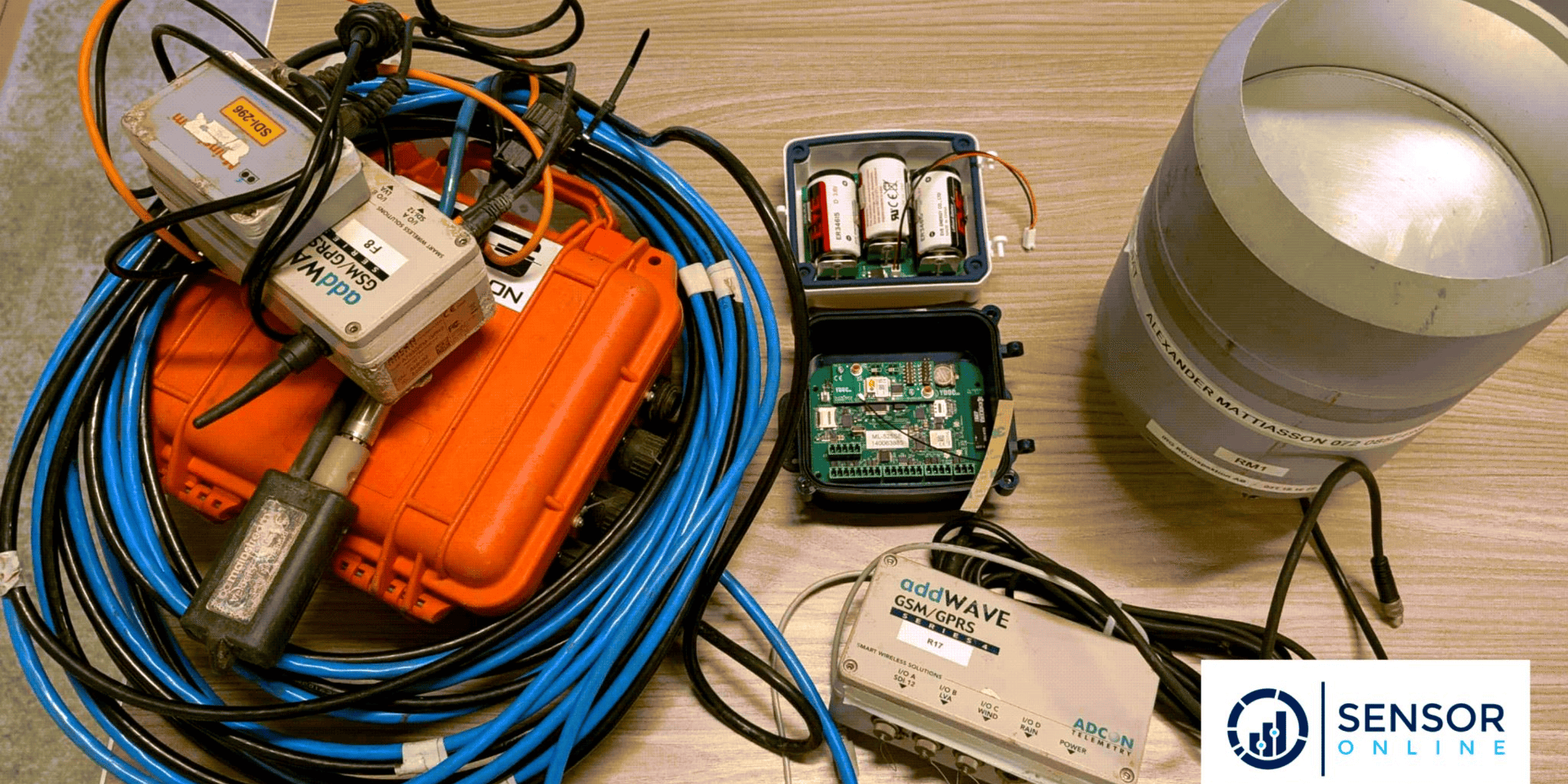
Mobile operators across Sweden and Europe are actively decommissioning 2G and 3G networks to free spectrum for 5G. Thousands of dataloggers in pump stations, groundwater wells, and remote industrial sites depend on these aging networks. When the shutdown arrives, they go silent – with no warning, no data, and no alarms.
What Changes When You Upgrade
- 4G LTE Cat-M1 – drop-in replacement for most 2G/3G dataloggers. Same SIM, same footprint, dramatically better coverage and throughput.
- NB-IoT – optimized for low-power, low-data applications. Ideal for battery-powered sensors in remote locations.
- LoRaWAN – for installations where a private network gives full control over connectivity, especially in areas with poor cellular coverage.
Migration with Sensor-Online
Sensor-Online supports all three technologies in parallel. A phased migration is possible – new 4G or NB-IoT devices report alongside existing infrastructure until full cutover. The platform’s device type library includes decoders for hundreds of modern logger models. Browse compatible dataloggers or explore the platform.
FAQ – Replacing Legacy Dataloggers
How do I know if my datalogger uses 2G or 3G?
Check the modem specification on the device label or documentation. Look for GSM, GPRS, EDGE (= 2G) or UMTS, HSPA, WCDMA (= 3G). If the label shows LTE or Cat-M1, you’re safe.
Can I keep my existing sensors and just replace the communication module?
Often yes. Many logger manufacturers offer 4G/NB-IoT upgrade modules for existing hardware. Contact your hardware vendor or Nodeledge for a compatibility assessment.
When is the Swedish 3G shutdown scheduled?
Major Swedish operators have announced 3G shutdowns between 2024 and 2026. Check your operator’s current timeline – the schedule has shifted, but the direction is clear.